
Championing Justice: The Role of Human Rights Lawyers
Human rights lawyers play a critical role in defending the rights and freedoms of individuals everywhere. Their work often involves advocating for equality, justice, and the rule of law, making them indispensable in the fight against discrimination and oppression. Whether working within governmental frameworks or grassroots movements, these dedicated professionals ensure that the principles outlined in international treaties and conventions are upheld. If you are interested in learning more about this impactful field, visit human rights lawyer services and resources.
The Importance of Human Rights Lawyers
Human rights lawyers stand at the forefront of social justice, protecting vulnerable groups and individuals whose rights are under threat. Their work encompasses various issues, including civil liberties, environmental justice, refugees’ rights, and the rights of marginalized populations, among others. In recent decades, the role of a human rights lawyer has expanded to cover an increasing array of areas, often intersecting with other fields of law.
Key Responsibilities
The responsibilities of human rights lawyers can be wide-ranging and complex. Some of their primary duties include:
- Legal Representation: Providing legal counsel and representation to victims of human rights abuses and unlawful discrimination.
- Legal Advocacy: Advocating for policy changes that promote and protect human rights at local, national, and international levels.
- Research and Documentation: Conducting thorough research on human rights violations and documenting evidence to support cases.
- Public Awareness: Raising public awareness about human rights issues through education, media, and outreach activities.
- Collaboration: Working with non-governmental organizations (NGOs), international bodies, and other stakeholders to further human rights initiatives.
Skills Required for Human Rights Lawyers
Human rights lawyers require a unique blend of skills to navigate the often challenging landscape of human rights law:
- Empathy: A deep understanding of the human experience and the struggles faced by individuals is essential for effective advocacy.
- Analytical Skills: The ability to analyze complex legal issues and interpret legislation critically.
- Communication: Strong verbal and written communication skills to articulate legal arguments convincingly and advocate for clients.
- Cultural Competence: Understanding diverse cultural backgrounds and sensitivities is essential when working with clients from various communities.
- Negotiation: Skillful negotiation tactics are important for settling disputes and advocating for policy changes.
Educational Pathways
Becoming a human rights lawyer typically requires an extensive educational background in law. Prospective lawyers usually complete a bachelor’s degree followed by a Juris Doctor (J.D.) degree at an accredited law school. Some educational pathways may also recommend additional coursework or specialization in human rights law, international law, or public interest law.
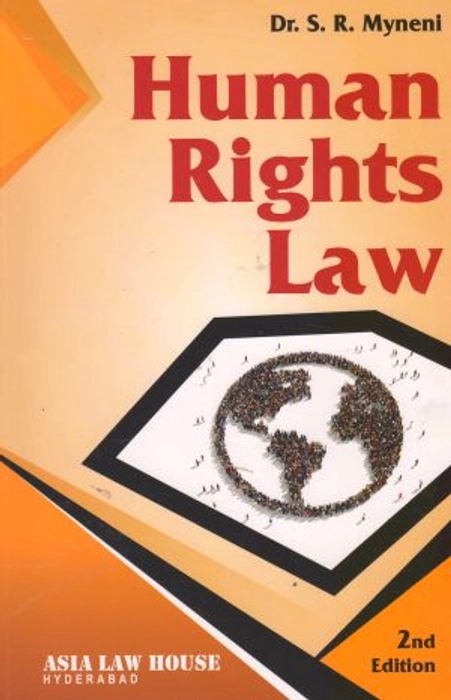
In many jurisdictions, a newly graduated lawyer must also pass a bar exam to practice law. Furthermore, internships with NGOs, government agencies, or international organizations can provide invaluabl

e experience and networking opportunities in the field of human rights law.
Challenges Faced by Human Rights Lawyers
Despite their noble intentions, human rights lawyers often encounter significant challenges in their work:
- Threats and Intimidation: Lawyers working on high-profile cases may face threats, harassment, or even violence from those seeking to silence them.
- Legal Barriers: In some countries, laws may restrict the ability of lawyers to take on human rights cases, creating significant hurdles.
- Emotional Toll: The nature of the cases often involves dealing with traumatic experiences, which can affect the mental health of lawyers advocating for justice.
- Lack of Resources: Many human rights organizations operate on thin budgets, making it difficult to provide adequate support and resources to their legal teams.
Success Stories
Despite these challenges, human rights lawyers have achieved significant successes around the world. From challenging unjust laws to winning landmark cases that protect the rights of individuals, their impact is profound. For instance, many lawyers have played pivotal roles in dismantling apartheid in South Africa, advocating for the rights of refugees, and holding governments accountable for violations of international law.
The Future of Human Rights Law
The future of human rights law remains uncertain but promises to evolve in response to emerging challenges such as climate change, technological advancements, and global migration trends. Human rights lawyers will be central to addressing these issues, advocating for policies that uphold the dignity and rights of all individuals.
As societies continue to grapple with issues of justice and equity, the role of human rights lawyers will remain more important than ever. Their courage and commitment serve as a beacon of hope for countless individuals striving for justice and equality around the world.
Conclusion
Human rights lawyers are crucial players in the ongoing battle for justice and equality across the globe. As champions of civil liberties, their tireless efforts help protect the rights of the most vulnerable members of society. The road ahead may be fraught with challenges, but the impact of their work will resonate for generations to come, inspiring future advocates to continue the fight for human rights.